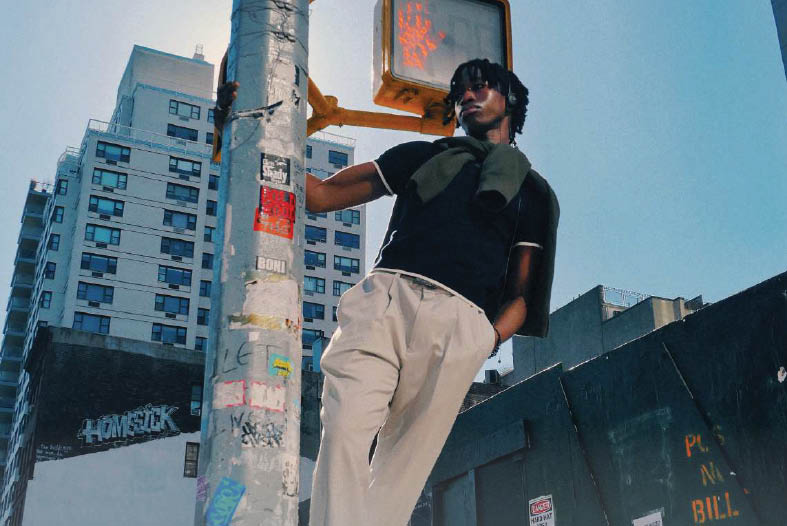
The evolution of preppy style in women’s fashion shows a larger shift in cultural values, gender roles, and societal norms. Preppy style started off super traditional and exclusive, rooted in the British boarding school Eton College, known for educating royals (Gotskind). It was all about structure, formality, and status. When it entered American university life, it also represented the elite Ivy League menswear worn on campus. But it began to shift—especially in the 20th century—as more women started going to college after World War II and began shaping what “academic fashion” could even look like. Fashion became a way for women to claim space in male-dominated institutions.
In the beginning, preppy fashion was really inspired by menswear—blazers, button-downs, pleated skirts, and loafers. As women entered these academic spaces, they took these elements and made them their own. Eventually, it became popular for women at Vassar College to dress within the aesthetic, and from there, it only grew (Gotskind). The look started to signal not only education but also independence.
Then in the 1980s, Princess Diana made preppy fashion even more popular. Her outfits were still polished, but she made them look soft and effortless. It was preppy, but in a cool, personal way. She was constantly wearing university merchandise and making it more popular in that sort of way. Her style brought a relatable and modern feel to something that once felt untouchable.
In the ’90s, in film and pop culture, preppy fashion became brighter, more playful, and more diverse, as seen in Clueless and Gossip Girl. These portrayals not only popularized preppy fashion but also redefined it, making it accessible and aspirational for younger audiences. This shift reflects broader cultural changes—from the rise of consumerism in the ‘90s to today’s mix of nostalgia and modern trends. Fashion became a storytelling tool that connected privilege, aspiration, and youth culture.
In different cities and schools, preppy style evolved in ways that matched local culture and school spirit. NYU in New York, for example, has a completely different vibe. Unlike more traditional campuses in quiet college towns, NYU is right in the middle of Manhattan. The city is part of the school’s identity, and students pick up on trends just by walking down the street. The photoshoot—especially the shots by the subway and in the city—captures that perfectly. There’s a blend of old-school prep and modern edge, like vintage sweaters mixed with mini skirts, oversized coats, and newspaper props. At other universities like Yale, the academic preppy vibe would be interpreted differently, often more polished and conservative.
Preppy style also evolves alongside the economy and the values people look up to at the time. Clearly, now, it’s shifting again. With trends like the “clean girl” aesthetic and Y2K nostalgia making a comeback, preppy is being reinterpreted for a new generation. What once symbolized status now blends with irony, accessibility, and a kind of curated imperfection.
Miu Miu’s Spring 2024 collection is a good comeback of the preppy style to the mainstream, with cardigans, short skirts, and that messy-but-cute “nerdy-hot” look. It’s a new interpretation of the style, but with the economic downturn, the growing conversation around “old money” versus “new money” also connects with how preppy fashion is viewed. Education is still a resource that’s unevenly distributed, so preppy fashion continues to reflect deeper issues around economic and gender status in society. Wearing it is never just about style but also about context. Preppy style used to be about fitting into elite spaces. Now, it’s an interpretation of our current society’s constant change.
From Legally Blonde to Clueless, Hollywood has long had a fascination with portraying academia through a lens of glamour, fun, and personal style. Elle Woods’ pink ensembles and Cher Horowitz’s coordinated plaid outfits have become cultural icons, proving that intelligence and style are not mutually exclusive. These portrayals are undeniably entertaining, but they paint a misleading picture of the academic world. The reality of academia is far removed from these vibrant depictions, often defined by rigorous workloads, professional conservatism, and deeply ingrained stereotypes about what intelligence ‘should’ look like.
Unlike the colorful, fashion-forward worlds of Legally Blonde and Clueless, real academia often adheres to a more subdued and standardized dress code. The culture of both academic and corporate settings has historically been shaped by male-dominated traditions that emphasize uniformity and professionalism. The classic business attire—neutral tones, structured blazers, modest tailoring—has become the unspoken standard in these environments, reinforcing the perception that serious intellectuals and professionals must dress in a particular way to be taken seriously. This expectation stems from long-standing gender norms that have dictated what ‘professionalism’ should look like. For decades, academia has been dominated by men, and as a result, women entering these spaces often feel pressured to adopt the same sartorial standards to be perceived as competent. Bright colors, bold prints, and overtly feminine silhouettes are sometimes dismissed as frivolous or unprofessional, reinforcing a rigid visual hierarchy in academic and corporate spaces.
Despite these ingrained norms, individuals are finding ways to incorporate elements of their personal style into their academic and professional wardrobes while maintaining credibility. The key is balance—blending individuality with the structural expectations of the environment. While academia may lean towards neutral palettes, incorporating small pops of color can be a subtle yet powerful statement. A structured blazer in a deep jewel tone or a silk scarf in a vibrant print can add personality without overwhelming the professional aesthetic. Statement accessories such as bold earrings, distinctive eyeglasses, or a well-crafted handbag can elevate an outfit while maintaining a polished look.
Additionally, rather than conforming to outdated silhouettes, opt for contemporary versions of traditional academic and business attire. A well-tailored jumpsuit, high-waisted trousers, or a midi dress with structured lines can provide both comfort and style. Incorporating elements of softer, more feminine fashion—such as ruffled blouses, tailored skirts, or elegant knitwear—without compromising structure can help balance personal identity with professional expectations. Footwear can be another excellent way to integrate individuality into an academic wardrobe. Classic pumps, elegant loafers, or stylish ankle boots in unique materials or colors can create a distinctive yet professional look. Outerwear is another opportunity to add flair. A well-tailored coat in a striking color or an asymmetrical cut can make an impact while still adhering to formal dress codes.
The traditional expectations of academia do not have to mean the erasure of personal style. Fashion has the power to challenge existing norms and redefine what professionalism looks like. As more diverse individuals enter academia, they bring with them new perspectives on what it means to be ‘serious’ in intellectual spaces. The notion that intelligence must be visually understated is an outdated relic of past generations—one that is gradually being dismantled. The ultimate goal is not to conform but to redefine. While Elle Woods and Cher Horowitz may not be accurate depictions of academic reality, they offer an important lesson: that style and intellect can coexist. Academia should not require individuals to abandon their personal identity to fit a mold, but rather allow them to redefine professionalism in ways that are both stylish and substantive. By finding a balance between structure and self-expression, academics and professionals alike can reshape the expectations of formal attire while staying true to themselves.
Written by: Stella Kim and Bailan Zhou